

Designing a Boho Bedroom – How to Create a Relaxed Atmosphere
Many people design their bedroom with great attention to detail – yet in the end, precisely what truly matters is missing: a calm, harmonious atmosphere. The bed fits, the colors blend, perhaps there's even a special piece of furniture in the room, and still, everything feels a little restless or not quite right. Often, this isn't due to individual elements, but rather their interplay. Too many contrasts, too many materials, or simply no clear line can quickly make the room appear unbalanced.
This is precisely where the Boho style comes in. Not necessarily by adding more, but by connecting everything. Fewer contrasts, instead gentle transitions and materials that work together. This way, step by step, a bedroom is created that not only looks beautiful but also genuinely feels calm and secure. We'll show you how to design your bedroom in Boho style to create just this atmosphere.

What is Boho?
First, let's clarify what Boho actually means. The term "Boho" is derived from "Bohemian" and originally describes a lifestyle that is deliberately free, unconventional, and independent of fixed rules. The style originated in the 19th century when artists and creatives began to consciously distance themselves from classical norms and bourgeois ideas. In interiors, this idea has evolved. Today, the Boho style stands less for a rebellious statement and more for a relaxed, natural way of living. It's about making rooms feel personal without overloading them or staging them strictly. Typical of the Boho style is the use of natural materials, soft textiles, and a warm, subdued color palette. At the same time, the style thrives on a certain freedom. Furniture and materials don't have to match perfectly, but should complement each other organically. This approach is particularly evident in the bedroom. Here, it's not about strong contrasts or striking designs, but about a calm, balanced atmosphere that develops naturally through materials, colors, and light.
The Right Foundation for Your Boho Bedroom
Before we talk about specific furniture or decoration, a harmonious Boho bedroom is always created first through its foundation. This is where it's decided whether the room will later feel calm or quickly become restless. In Boho Chic, this primarily means subdued colors and a clear, reduced starting point. Instead of strong contrasts, light, natural tones dominate. This color scheme ensures that the room appears open and materials can later be shown to their best advantage.The surfaces also play an important role. Walls, floor, and larger pieces of furniture should be kept as calm as possible so that they function as a base and do not compete with each other. The important thing is not to perfectly match everything, but to create a certain unity. If the foundation is right, the room automatically appears more harmonious, and this is what the entire Boho look in the bedroom is built upon.
The Bed as the Centerpiece in a Boho Bedroom
The bed is the main actor and starting point for everything else. Therefore, it's worth making decisions here first before designing the rest of the room. Beds with a clear, simple construction, usually made of wood or in very plain shapes, work well. For bedding, the material plays the main role. Linen is typical here because its texture automatically creates a natural effect. Cotton also works well, as long as the colors remain in the same light spectrum. The typical Boho character of the bed comes from combining different textiles. A light blanket, one or two pillows in different textures, and perhaps an additional throw are usually enough. The key is not the quantity, but that the materials harmonize and no harsh visual separation is created. This way, the bed does not become a decorated object, but remains a functional, yet style-defining part of the room.
How to Transform Your Existing Bed into a Boho Bed
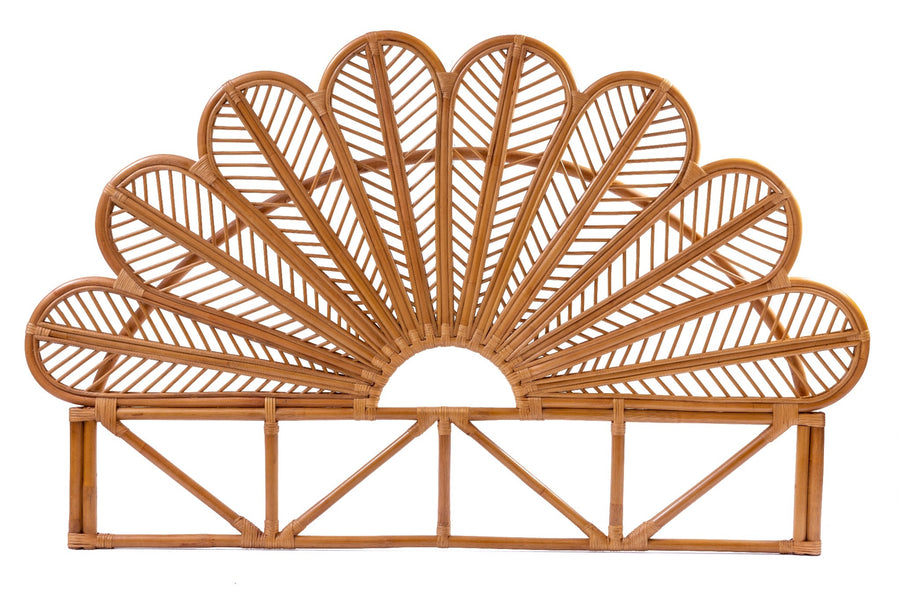
A Boho bedroom doesn't necessarily have to be completely redecorated. Often, simply making targeted changes to an existing bed is enough to significantly alter the room's impact. A simple approach, for example, is a suitable Boho headboard. Its materials, such as teak wood or rattan, immediately bring more texture to the sleeping area and visually provide a calmer frame for the bed.
Furniture & Materials in a Boho Bedroom
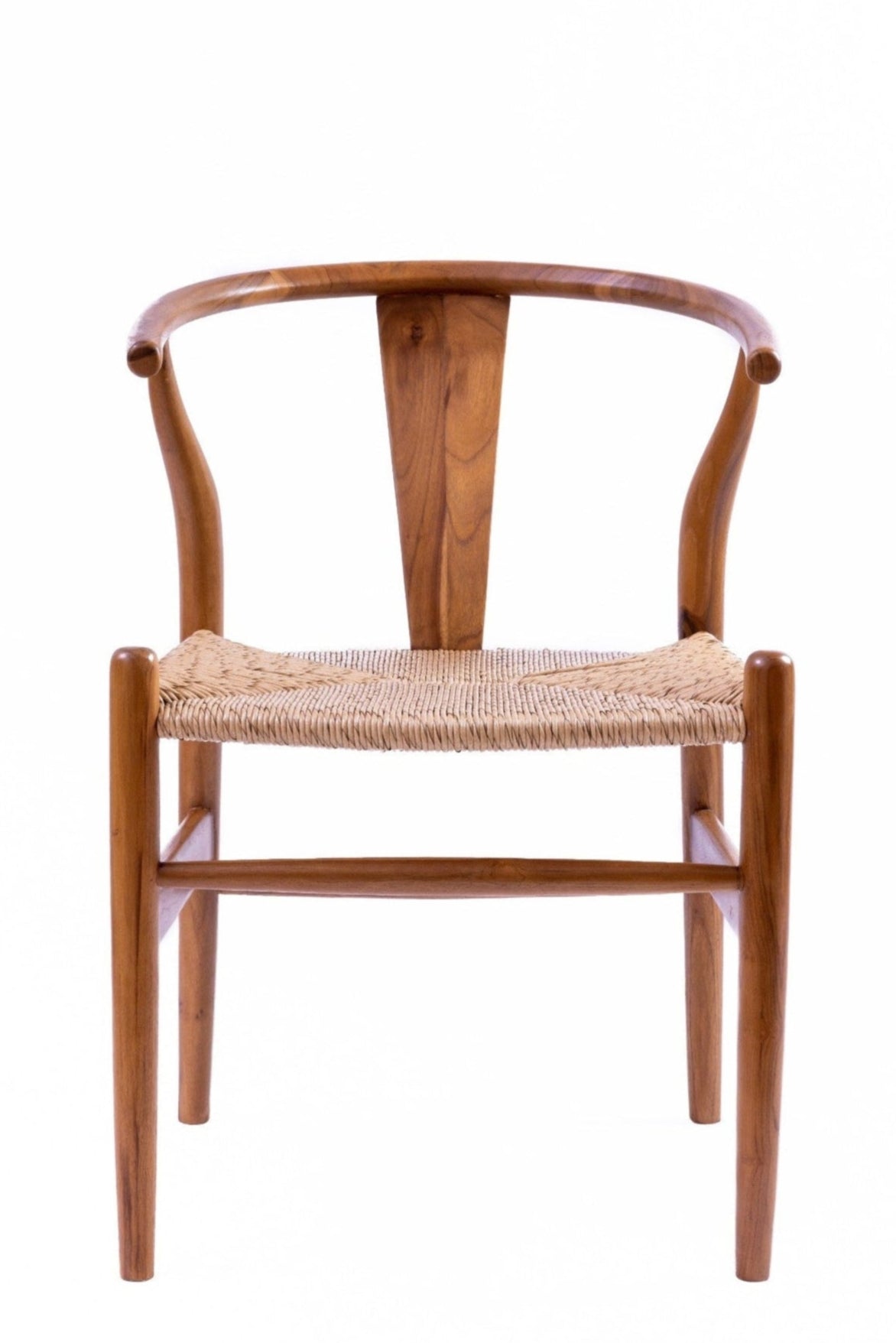
Once the foundation is laid and the bed is defined as the centerpiece, the next step involves the furniture that complements the room. This is where it's decided whether the Boho look truly feels harmonious or rather thrown together. In a Boho bedroom, furniture made from natural materials works best. Wood plays the biggest role, often in combination with rattan, bamboo, and woven elements. The shapes remain rather simple, not strictly minimalist, but also not playful or massive. You can find out which material suits you best here.
Furniture pieces that blend into the overall picture rather than standing out are particularly well-suited. Wooden nightstands, a simple dresser, or a light armchair support the calm effect of the room and echo the material world of the bed. In contrast, furniture with glossy surfaces, strong contrasts, or very dominant designs is less suitable. Too many different wood tones can also quickly break the effect and make the room appear restless.

Color Palette of Boho Interior Design
In a Boho bedroom, colors serve less as accents and more as a foundational mood. Each nuance plays a clear role in the room. A warm off-white or cream is very typical. These tones appear softer than pure white and avoid the "cool" effect that many modern rooms quickly acquire. Especially in combination with wood and linen, this creates a very natural, bright overall impression. Sand and beige tones are a step warmer, making them well-suited for larger surfaces like walls, carpets, or bedding, as they add more depth to the room without appearing visually heavy. This quickly creates a calm, almost subdued character, especially in bedrooms. Earthy tones often come into play as complementary colors. Terracotta appears particularly warm and slightly Mediterranean, while also harmonizing well with neutral base tones. Dark tones, such as a muted olive green or natural black, function more as a subtle contrast, often introduced through pillows, decor, or individual textiles, not as a dominant surface. Warm brown nuances also play a role, especially in furniture. They connect the color world with natural materials like wood and ensure that the room does not appear too bright or flat, but gains a certain grounding.
Boho Lighting: Warmth Instead of Brightness
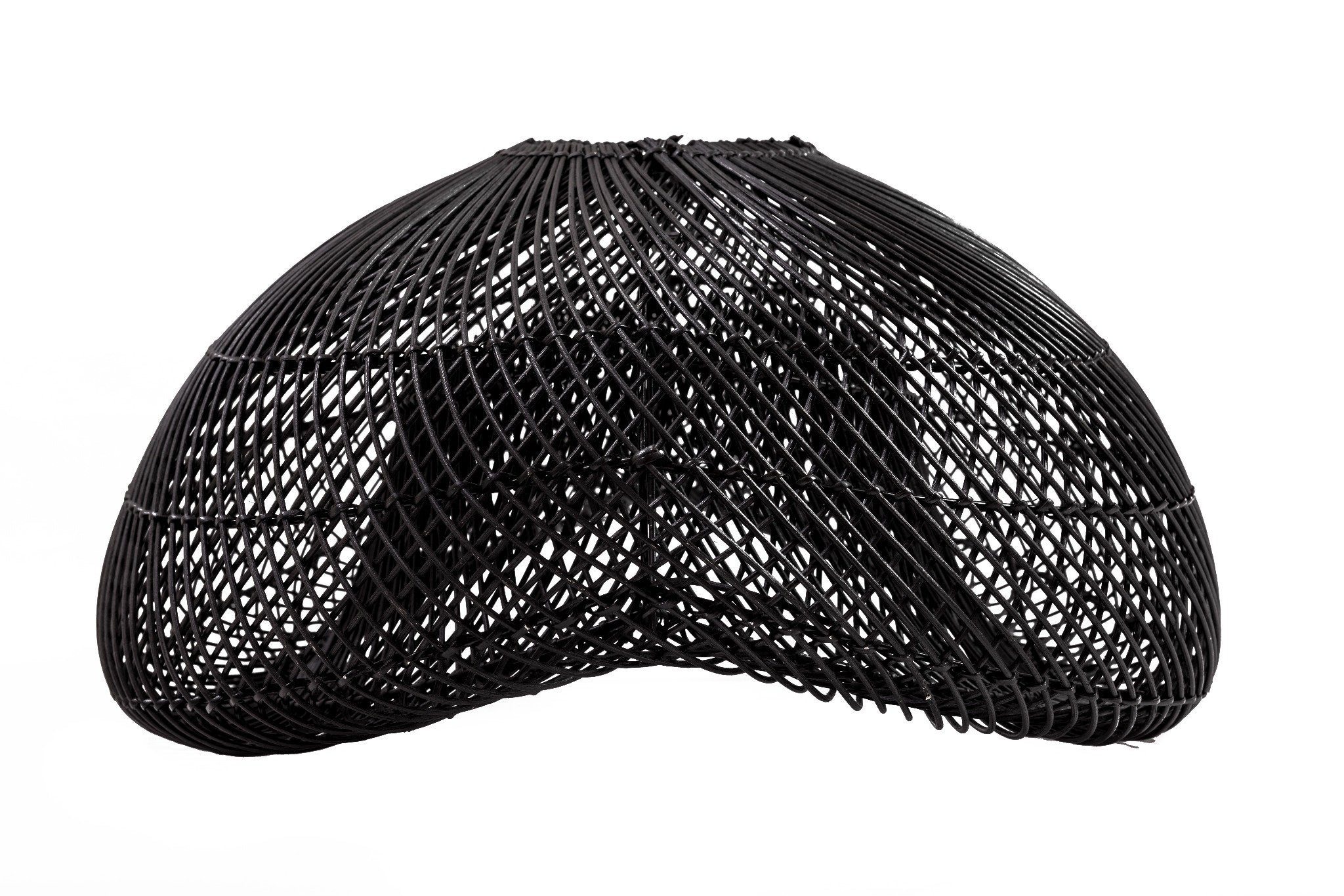
In a perfect Boho bedroom, the ceiling lamp plays a very important role, not as a technical light source, but through the mood it creates in the room. The crucial factor is how warm and soft the light falls. Lampshades made of natural materials like rattan or bast work particularly well, as they diffuse the light and allow it to fall gently into the room, preventing harsh light cones. Instead of clear illumination, a uniform, warm light image is created, which immediately makes the room feel more pleasant.
The light color itself is also important. An ideal warm tone that tends towards gold or warm white is perfect. Cold white light quickly appears technical and deprives the room of the relaxed atmosphere that is paramount in Boho style.
Boho Style Decoration as the Finishing Touch
After the larger elements like the bed, furniture, and color scheme are set, the decoration completes the room in the final step. Its primary purpose is to integrate the existing material and color world and carry it through in detail. Typical elements include Boho mirrors with round, organic shapes, often in frames made of seagrass weaving, fine fibers, and optionally accents that add depth to the room while naturally reflecting light. Vases also play a supportive role, usually in combination with dried flowers, simple branches, or even dark green plants, where the arrangement is less important than the effect of form and material like ceramic, stone, or glass. Additionally, small objects made of wood or natural fibers can be used to visually connect individual areas and subtly enhance the atmosphere without demanding attention.
Boho Bedroom Checklist
When putting together a Boho-style bedroom step-by-step, it helps to have a collected overview of the most important elements. Precisely because many components interlock, the typical look only arises from the interplay of colors, materials, and light.
This overview shows you the central building blocks at a glance:
Foundation & Room
• Light, natural wall colors and curtains like white, cream, sand, or beige
• Calm floor surfaces made of wood or natural textures
• Uniform, subdued color scheme throughout the room
Bed & Textiles
• Light bed frame, preferably made of natural materials
• Linen or cotton bedding in soft tones
• Blankets and pillows in different, natural textures
• Layering of textiles instead of strong individual pieces
• Subtle, warm color nuances throughout the bed area
Furniture
• Nightstands also made of natural materials
• Simple dressers without high gloss or strong contrasts
• Light seating such as an armchair
• Consistent natural materials instead of a material mix without connection
Lighting
• Warm white light instead of cool light colors
• Lampshades made of rattan, bast, or fabric for a soft light effect
• Indirect lighting that illuminates the room evenly
Rugs & Textures
• Natural fiber rugs like jute, wool, or cotton
• Calm patterns or solid surfaces
• Different surfaces for more depth in the room
Decoration
• Round mirrors, for example with woven frames
• Vases made of ceramic, stone, or glass in natural tones
• Dried flowers, simple branches, and plants
• Subtle individual pieces made of natural materials
Details & Atmosphere
• Consistent warm, natural color palette
• Combination of wood, rattan, linen, and other natural materials
• Consciously reduced selection of elements that work together
💡 Tip: you can find more inspiration and Boho furniture in our online shop.