

Rattan, Teak, Bamboo – which material suits you best?
Natural materials have long been more than just an interior design trend. They bring warmth into a room, create tranquility, and precisely the relaxed atmosphere usually found in boutique hotels or vacation homes. Rattan, teak, and bamboo are among the most popular materials, and for good reason. They appear light, authentic, and timeless all at once. Nevertheless, they differ significantly in their appeal, function, and how they behave in everyday life.
This is where it gets exciting, because the choice of the right material not only determines the look but also how your home feels and how well your furniture fits your life. In this guide, we show you the differences and which material really suits you.

Why Natural Materials Are More Than Just a Trend
Natural materials like teak, rattan, or bamboo are indispensable in modern living concepts. They combine a natural look with functional advantages and can be integrated into diverse interior styles – from boho and Scandinavian to country house. A significant difference from artificial materials lies in their structure. Wood shows individual grain, rattan is slightly irregularly woven, and bamboo has a clear, fine surface. This makes such furniture appear more natural and blend more harmoniously into the room. There are also clear differences in use. Teak is particularly durable and robust, rattan impresses with its flexibility, and bamboo is considered lightweight, stable, and resource-efficient. Many of these materials are also renewable and, when processed correctly, a sustainable alternative to synthetic furniture. At the same time, they are designed for longevity and often accompany you for many years. Despite these commonalities, rattan, teak, and bamboo differ significantly in effect, care, and application areas, which is why we will now examine each material in more detail.
Rattan Furniture
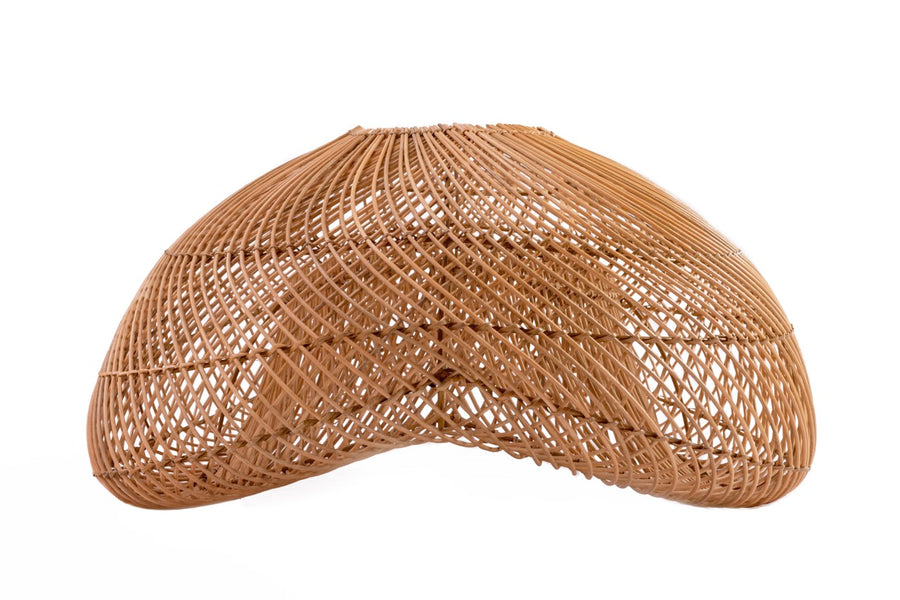
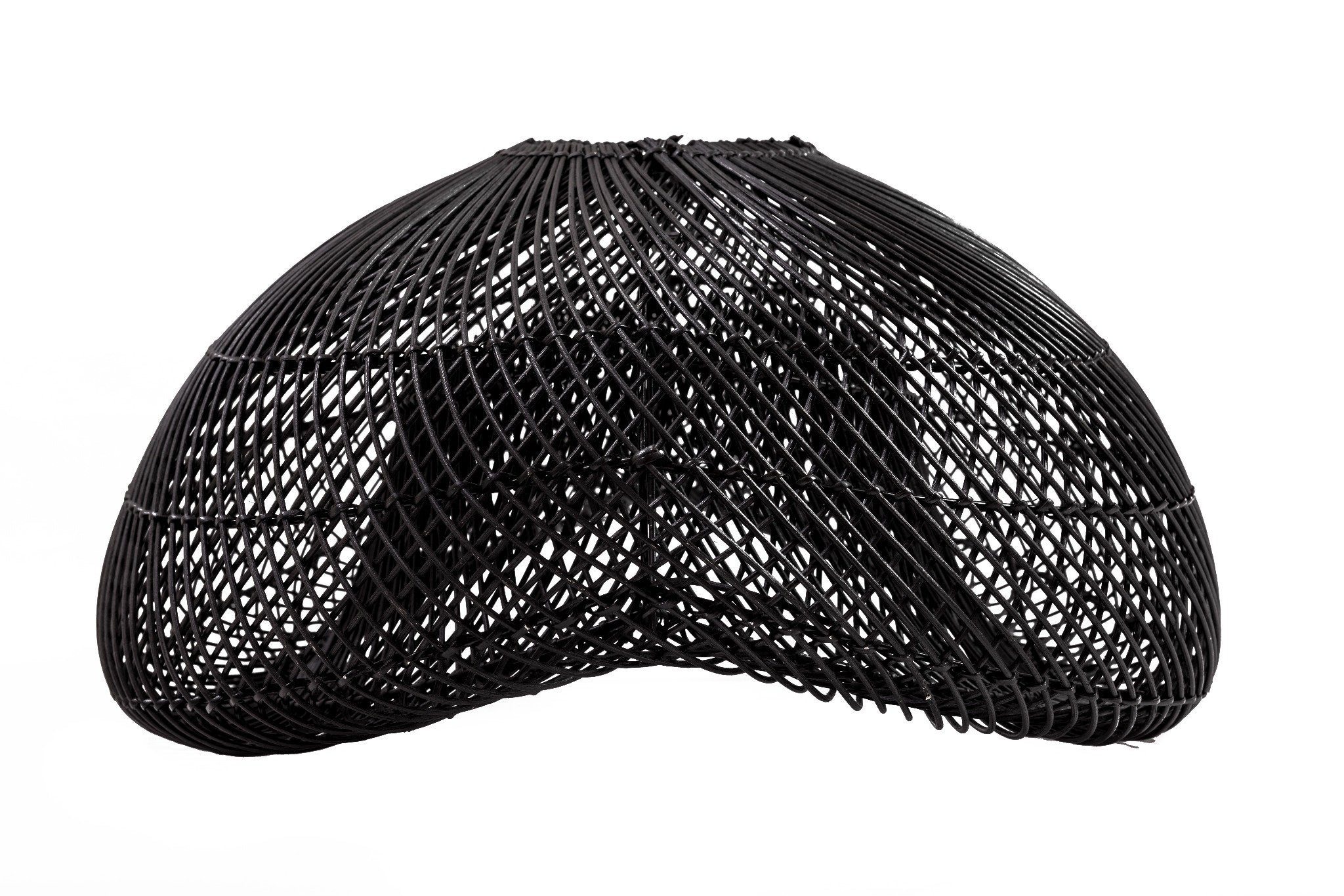
Rattan is a natural material obtained from the shoots of certain palm species. These long plant fibers are dried and then processed into furniture or wickerwork. Rattan is particularly known for its typical woven structure, which can be produced by hand or machine and gives every piece of furniture a light, organic look.
In interior design, rattan is primarily used for furniture pieces intended to exude lightness and naturalness. Rattan furniture never appears massive or heavy; instead, it brings a certain airiness into the room that complements bright, open living concepts particularly well. As a result, rattan is often found in Boho, Ibiza, and Scandinavian styles, where natural materials play a central role.
Rattan Furniture: Characteristics & Advantages
• natural plant material from the shoots of the rattan palm
• characteristic woven structure with a handcrafted look
• very lightweight and flexible in use
• creates a bright, airy room effect
• ideal for decorative furniture pieces such as armchairs, chairs, or side tables
• particularly suitable for interiors and sheltered areas
• versatile for combining in Boho, Scandinavian, and Ibiza interiors
Teak Wood Furniture
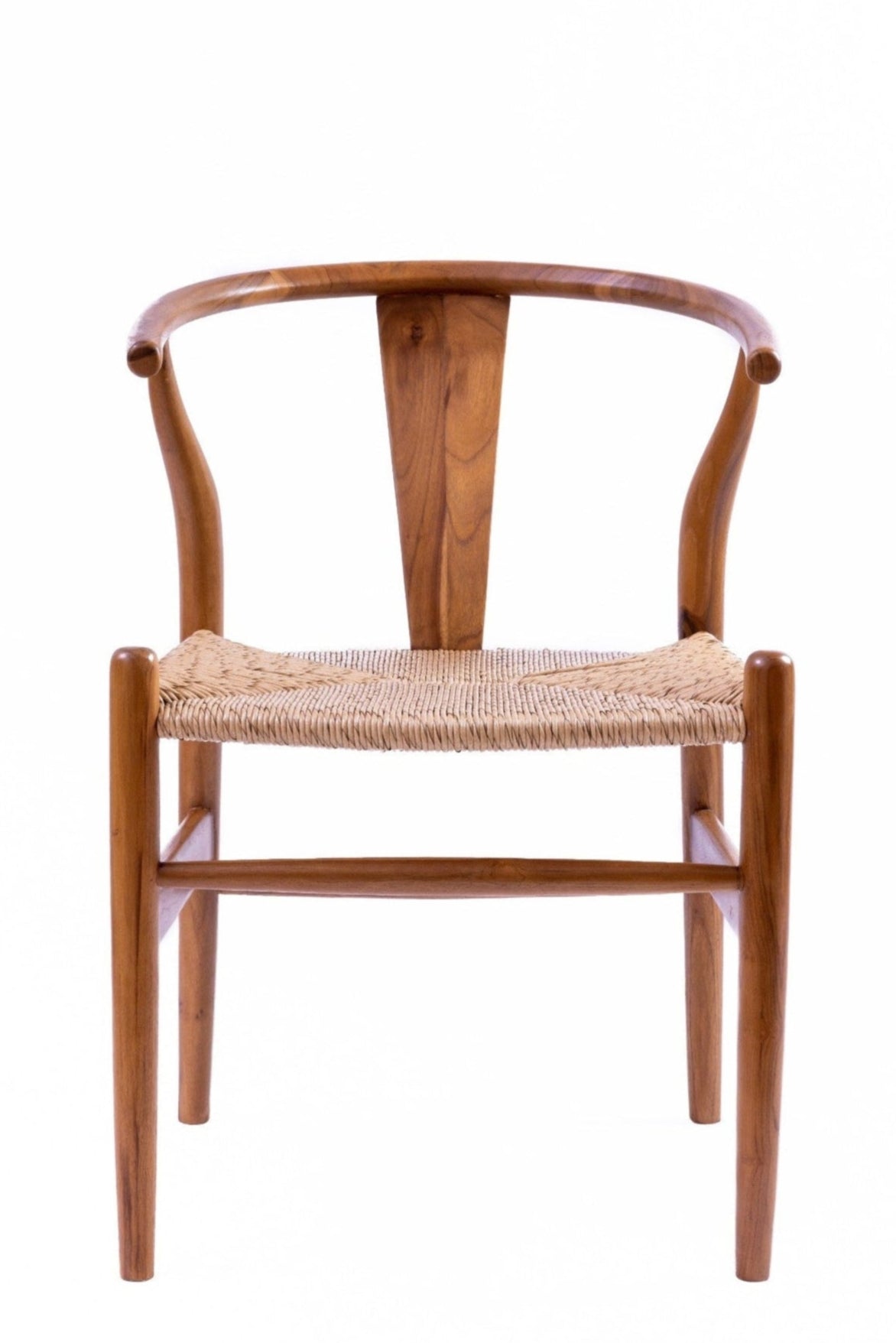
Teak wood is one of the highest quality woods in the furniture sector and has been used for many years both indoors and outdoors. The wood primarily comes from tropical regions and is naturally very oily, which makes it particularly resistant to moisture and external influences. Precisely these properties ensure that teak is considered extremely durable and hardly warps or gets damaged even with intensive use. Visually, our teak furniture appears significantly more massive than rattan. The fine, even grain and the warm gold to honey tone give the material a timeless and high-quality appearance.
In everyday life, teak is therefore primarily known for its robustness. It is ideal for heavily used furniture pieces. Over time, the surface changes slightly and develops a natural patina, which many find particularly characterful, depending on the treatment. You can find everything about teak wood care here.
Teak Wood Furniture: Characteristics & Advantages
• extremely robust and durable solid wood
• naturally oily and therefore weather-resistant
• warm, elegant wood look with even grain
• suitable for indoor and outdoor furniture
• develops a natural patina over time
• ideal for heavily used furniture pieces such as chairs, tables, or garden furniture
Bamboo Furniture
Bamboo is often underestimated in the furniture sector, yet it is one of the most exciting natural materials available. Botanically speaking, bamboo is not wood but a fast-growing grass. This very characteristic makes it particularly sustainable, as it regrows quickly and is very resource-efficient. In interiors, bamboo appears very modern and clear. The surface is smooth, the lines are straight, and overall, it creates a calm, minimalist look. This makes bamboo particularly suitable for bright, minimalist living styles or natural spa and bathroom concepts.
Functionally, bamboo also brings several advantages. The material is lightweight but surprisingly stable at the same time, making it suitable for various types of furniture, from shelves to chairs to decorative elements. At the same time, it remains very subtle visually and blends unobtrusively into different rooms.
Bamboo Furniture: Characteristics & Advantages
• fast-growing, particularly sustainable raw material
• lightweight but stable material with good load-bearing capacity
• smooth, calm surface with a modern look
• ideal for minimalist and bright interiors
• versatile for use in various rooms
• subtle appearance that can be easily combined

Direct Comparison: Rattan vs. Teak vs. Bamboo
Although rattan, teak, and bamboo all belong to natural materials, they differ significantly in their effect, stability, and area of application. These differences become crucial when it comes to making a specific selection for your home. Rattan primarily stands for lightness and a decorative, relaxed effect, while teak is significantly more massive and robust, and bamboo lies somewhere in between. Visually, the materials also clearly differ from each other. Rattan appears lively and handcrafted due to its woven structure, teak looks more elegant and calm due to its even grain, and bamboo is very linear and modern.
The Most Important Differences at a Glance
• Rattan: light, decorative, ideal for boho and Scandinavian styles, primarily for indoor use
• Teak: very robust, durable, weatherproof, high-quality look for indoors & outdoors
• Bamboo: sustainable, modern, light and stable, versatile for indoor use
Use & Effect in the Room
• Rattan creates an airy, relaxed atmosphere
• Teak appears stable, high-quality, and timeless
• Bamboo brings tranquility, clarity, and a modern natural look
This quickly makes it clear: there is no "better" or "worse," but only different strengths, depending on the style and requirements of your home.
"Which Interior Style Suits Me?"
Ultimately, the decision between rattan, teak, and bamboo is less a purely stylistic question and more dependent on how you use your furniture in everyday life and what effect you want to achieve in your home. The three natural materials not only feel different but also change the atmosphere of a room in very different ways. Rattan, as already mentioned, appears light and open and is particularly suitable for furniture that complements rather than dominates the room. Teak furniture, on the other hand, brings noticeable stability and weight and thus often forms the basis of a room. Bamboo lies in the middle, calm in its look but clear in its form and particularly interesting if a modern, minimalist style is desired.
Precisely these differences make the comparison so important. Because depending on whether a piece of furniture is more decorative, heavily used, or consciously used as a calm counterpoint in the room, a different material will be more suitable.
Who are rattan furniture suitable for?
Rattan is the right choice if rooms are meant to appear light, open, and rather understated. It pairs well with interior styles that use light colors like white, cream, or sand, aiming to create a relaxed, cozy atmosphere overall. Rattan is typical for rooms where furniture doesn't take center stage but rather supports the overall impression. Those who prefer furnishings that can be easily changed and don't appear too heavy will usually make a harmonious decision with rattan. It is especially suitable when lightness is more important than the clear dominance of individual furniture pieces.
Who are teak furniture suitable for?
Teak wood suits interiors that deliberately emphasize substance, expressiveness, and durability. It is suitable for rooms where furniture plays a clear role and can also be visually more prominent. It works particularly well in combination with warm, deeper color tones like brown, cognac, or olive, which support this effect. Those looking for furnishings that are very long-lasting and robust will find a suitable solution in teak. It is the right choice if furniture is not just meant to complement but to define the room.
Who are bamboo furniture suitable for?
Bamboo is ideal for anyone who prefers a clear, minimalist design. It pairs well with light, calm color schemes such as white, beige, or light gray, and supports a tidy, structured room aesthetic. The decision for bamboo is often made when accents are intended to be deliberately subtle and need to integrate into a clear overall picture. It is particularly suitable for interiors where a harmonious and natural overall impression is desired.
Conclusion: Your Style Decides – Not the Material
Rattan, teak, and bamboo do not compete with each other but address different requirements for living and usage. Each material brings specific strengths that come into their own particularly well in the right context. Therefore, what is decisive is less the material itself, but how a room is used and what role furniture plays in everyday life. Often, a harmonious interior is not created by choosing a single material, but by consciously combining different elements. This is precisely where the freedom lies to design rooms individually without having to commit to a fixed style.
At EVASI, you will find furniture made of rattan, teak, and bamboo that can be used individually or in combination. This creates an interior that is not guided by fixed rules but by what makes you and your home unique.