

Scandinavian Home Decor: Ideas for Your Nordic-Inspired Comfort Style
Scandinavian living thrives on a special blend of clarity and warmth. Rooms appear bright, calm, and simultaneously designed to feel easy and natural in everyday life. It's not about grand productions, but about a way of living that gradually builds from colors, materials, and simple forms.
This is precisely what makes this style so appealing: it offers many small ideas that can be flexibly combined while still creating a coherent overall picture. From the first piece of furniture to the final details, a Nordic and personal living experience emerges.

What is the Scandi Style?
Scandi (also called Scandi, Skandy, or Scandinavian Style) is a living style from Nordic design culture that stands for clear, bright, and functional living. It's not about a rigid interior design concept, but a design attitude. Rooms should function in everyday life while simultaneously creating a calm, pleasant atmosphere. Its roots lie in the Scandinavian design movement (hence the name "Scandi") of the 20th century, which was primarily shaped in Denmark, Sweden, Norway, and Finland. At that time, the idea arose to design furniture and rooms not only beautifully, but above all, suitable for everyday use. Influenced by functionalism, but interpreted more softly, it was less about cool objectivity and more about combining practical solutions with genuine comfort.
At its core are three principles that hold it all together. Simplicity does not mean austerity, but rather mindfulness. Scandi rooms appear harmonious and uncluttered because every element has a reason to be there. Naturalness is evident in the materials used, such as wood, linen, wool, stone, and ceramics, which bring warmth into the room and create a connection to nature, deeply rooted in Nordic everyday life. The third principle is coziness, known in Danish and now widely recognized as Hygge. It describes an atmosphere where one can truly let go, created by soft lighting, soft textiles, and spaces that invite relaxation. Closely related to this is the Swedish concept of Lagom, which can best be translated as "just right." Not too much, not too little, but exactly the right amount of furniture, colors, and decorative elements. This idea runs through the entire Scandi style and explains why, despite its simplicity, it never appears cold or empty.
The 5 Most Important Features of the Scandi Style
The Scandinavian living style is based on a few, but very clear design principles that can be found in almost every room. The decisive factor is not a single detail, but the interplay of color, material, light, and function. The following five features characterize the typical Scandi look and ensure that the desired effect is achieved:
Bright, Natural Color Worlds
Colors always form the foundation in Scandi style, never the focal point. Instead of bold tones, very light, natural nuances like white, cream, beige, or soft gray tones dominate. This color palette not only has a visual effect but also influences spatial perception, as it reflects light and makes rooms appear more open. It is important that the colors do not appear sterile, but rather warm and slightly muted, to create a homely atmosphere. Accents are used very sparingly and usually remain subtly in the background.
Wood as a Central Material
Wood is one of the most distinctive elements in Scandinavian living and can be found in almost every room. Particularly light wood types like oak or birch play an important role, as they bring both structure and warmth to the design. While the color palette remains rather restrained, wood provides natural depth and prevents rooms from appearing too cool or too smooth. It is used not only for furniture but also for floors or small details, creating a continuous, harmonious impression.
Lots of Light and an Open Feel
Light in Scandi style is not a secondary aspect, but a central design element. Due to the long dark winters in Scandinavia, it plays a major role in making the best possible use of existing daylight. Large window areas, light walls, and light curtains support this effect and make rooms appear much friendlier. Artificial light is also used deliberately, usually in warm light tones and on multiple levels, creating an even and pleasant basic brightness without harsh shadows or strong contrasts.
Natural Materials with Texture
In addition to wood, other natural materials characterize the Scandi style, especially linen, cotton, wool, natural rope, or rattan. These materials bring different textures into the room without visually overloading it. It is precisely these subtle differences that create a certain depth, making the room feel alive without becoming restless. Fabrics often appear light and natural, surfaces rather matte and restrained. This creates a harmonious interplay that runs through the entire room.
Functionality in Everyday Life
A central characteristic of the Scandi style is its clear focus on everyday usability. Furniture and furnishings are not only chosen for their appearance but above all for how they are used. This means that every element has a recognizable function and is meaningfully integrated into everyday life. At the same time, the design remains minimalist so that nothing appears superfluous or unnecessarily dominates the room. This combination of function and clear design language ensures that Scandi rooms not only look good but also feel harmonious and functional in the long term.
Scandi Living Ideas for Every Room
The Scandinavian living style truly unfolds its effect when it is concretely implemented in individual rooms. This is less about rigid rules and more about simple decisions that have a direct impact on everyday life. Each room has its own function and reflects the style in a slightly different way.
Scandi Living Room – Relaxation at the Heart of Everyday Life
The living room is often both a retreat and a meeting place, which is why the Scandi style is particularly evident here. A clear sofa landscape in light, natural fabrics forms the starting point. Sofas in cream white, light gray, or warm beige are particularly popular, ideally made of linen or a linen-look woven fabric that feels soft yet is easy to care for. A simple coffee table made of light oak or birch, preferably with a small shelf underneath for books or baskets, complements this.
Blankets and cushions made of wool or cotton provide warmth and make the room inviting without overcrowding it. A classic Scandi detail, for example, is a coarse knitted blanket in natural white, draped loosely over a sofa corner. For lighting, it is worthwhile to use multiple light sources instead of, for example, a single ceiling light. A floor lamp with warm light, a small table lamp, and a few candles together create exactly the atmosphere for which the Scandi style is known. Individual plants such as a Monstera, a fern, or a eucalyptus branch in a simple vase also add natural accents.


Scandi Bedroom – Clarity as a Foundation for Rest
In the bedroom, a calm, distraction-free atmosphere is paramount. The bed forms the central point of the room and is kept simple, preferably made of light wood with a clear design language or with a matching headboard. Bed linen in natural tones such as white, beige, or soft gray emphasizes the calm basic mood. Washed linen fabric looks particularly beautiful, naturally slightly wrinkled, and gives the room a relaxed, lively touch.
On light wood bedside tables or simple wall shelves, a simple reading lamp, a book, and perhaps a small plant find their place. Rarely is more needed. For those who need storage space, a bed with an integrated bed box or a simple wardrobe with matte white or wood-colored fronts is an option. Floor-length linen or cotton curtains make the room appear taller and softer at the same time. The entire room should offer as little distraction as possible to fulfill its intended purpose.

Scandi Kitchen – Simplicity in Use
The Scandi kitchen follows a clear structure, where functionality and clarity are paramount. Light fronts in white, cream, or soft gray tones make the room appear open and friendly. If you want a bit more character, you can choose individual base cabinets or a kitchen island in a muted shade like sage green or dark blue, which creates a strong visual effect without much effort. Worktops made of light wood or with a stone look complement the fronts and bring naturalness to the design.
Work surfaces in Scandi style are deliberately kept clear, because order here is not an end in itself, but makes everyday life more pleasant. Individual open shelves, on which, for example, simple ceramic mugs, a wooden board, or a few selected spice jars are placed, bring life into the kitchen without creating unrest. Small details make the difference here: a linen cloth as a tea towel, a wooden bowl with fresh fruit on the counter, or a single plant on the windowsill blend in naturally and make the kitchen a space where you enjoy spending time.
Scandi Bathroom – Simplicity for Everyday Life
In the bathroom, the Scandi style reveals itself in its clearest form. White and soft natural tones dominate here too, making the room appear larger and more open. If you want a bit more depth, you can accent individual walls with matte tiles in gray, dark green, or terracotta, which creates a beautiful contrast to the light base. Wooden elements for shelves, a small cabinet, or the vanity base provide a warm counterpoint to cool tile surfaces and prevent the bathroom from looking sterile.
Towels in muted tones like sand, white, or dark gray, neatly folded or placed in a woven basket, are a simple way to immediately convey Scandi. The choice of accessories also makes a big difference. A ceramic soap dispenser, a wooden brush, and a small pot with a green plant replace colorful plastic products and give the bathroom a high-quality and cohesive character. The goal is a bathroom that feels pleasant every day and always appears tidy.
Scandi Dining Room – Togetherness in an Inviting Atmosphere
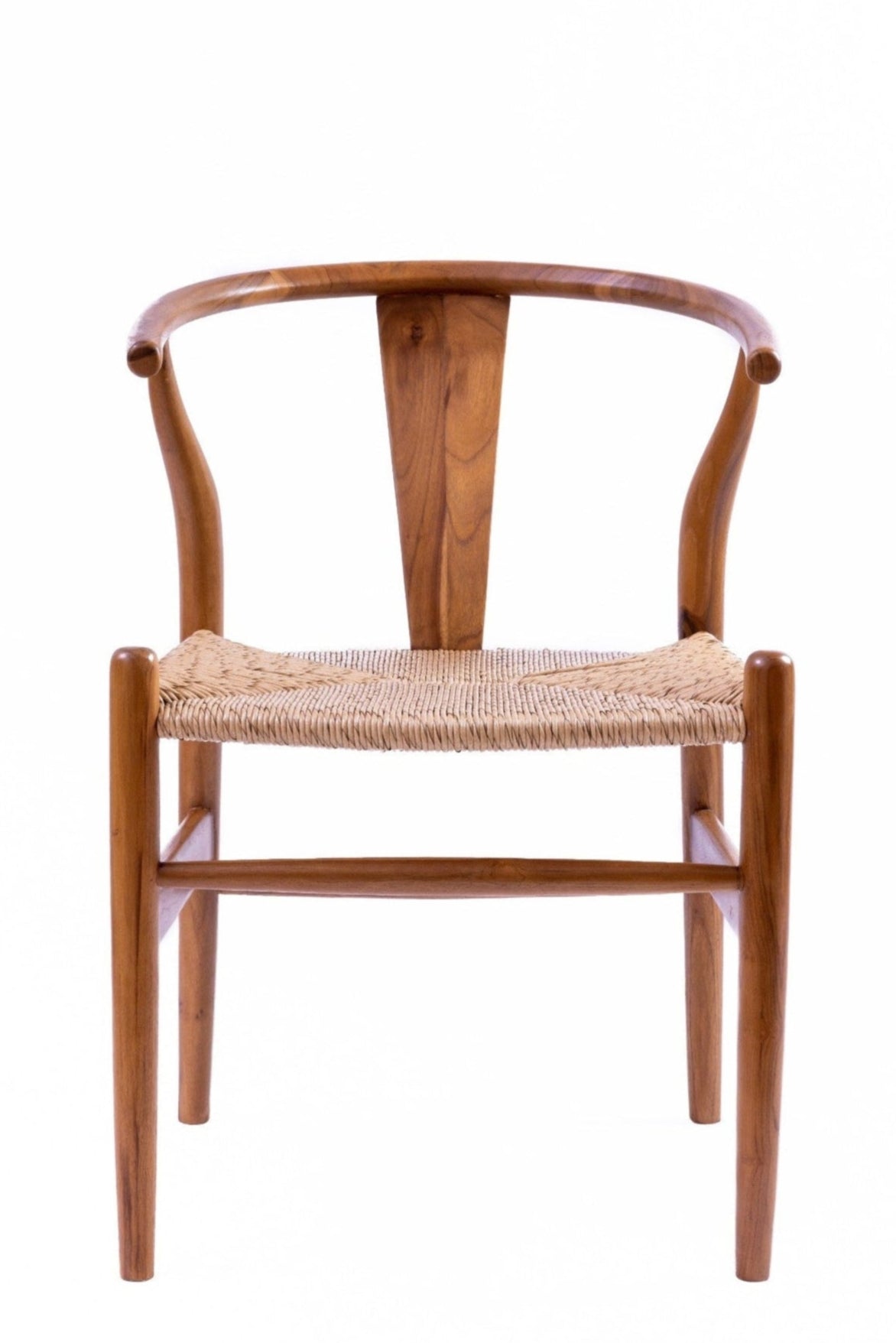
A simple dining table made of solid oak or pine forms the basis of a Scandi dining room and becomes even more beautiful over time as it acquires traces of use, making it appear more alive. This is complemented by chairs with a clear design language, which do not necessarily have to be uniform. A mix of two different chair models in similar tones often looks more natural and harmonious than a completely uniform set.
A single pendant light above the table creates a calm focus and adds atmosphere to the meal. The rest of the area remains understated. On the table itself, a single decorative element is often sufficient: a simple vase with a branch, a candle, or a small ceramic bowl. Precisely because the dining area is kept so clear, shared meals at the table regain more significance.


Scandi Hallway – First Impression of Gentle Lightness
The hallway is the calling card of the home and gives the first hint of what the rest of the apartment looks like upon entering. In Scandi style, it is therefore designed carefully but simply. Light wall colors in white or cream make the often narrow space appear more open. A slender chest of drawers made of light wood offers storage space for everyday items and keeps the area tidy. For those with limited space, a simple wall shelf with a few hooks underneath for bags and jackets is a good option.
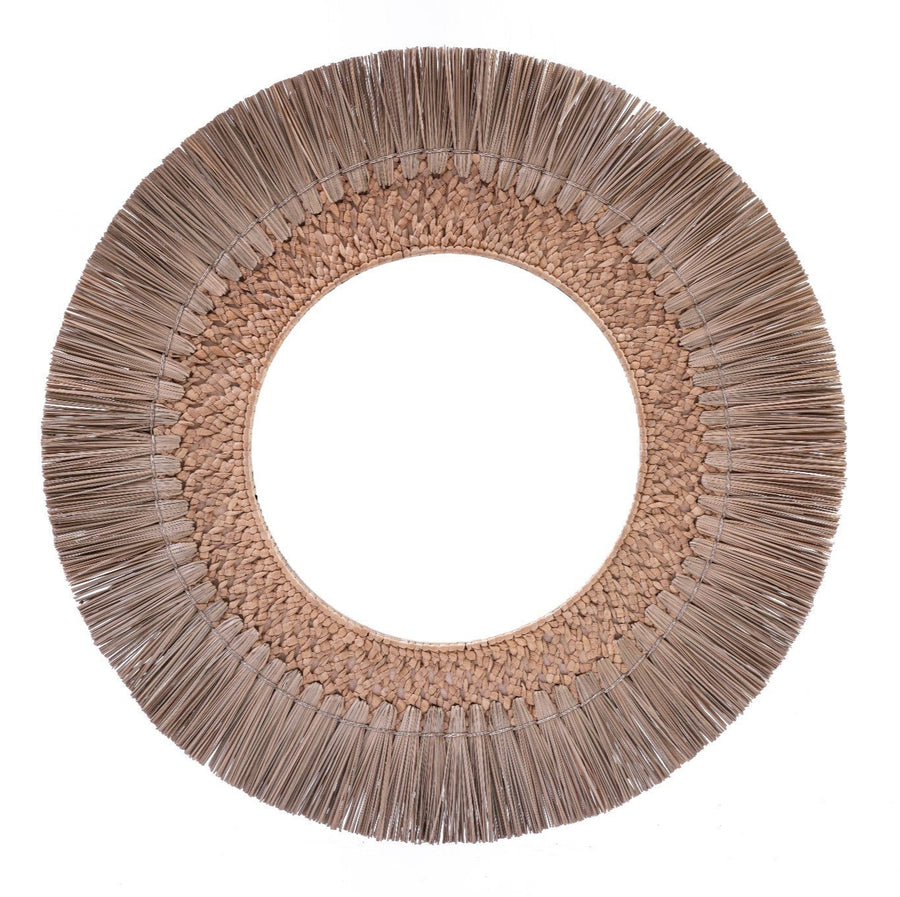
A framed mirror is almost indispensable in a Scandi hallway. It reflects light, makes the room appear larger, and is also practical. A small runner made of natural fibers like jute or cotton protects the floor and brings a soft, inviting element to the entrance area. 
Must-have Furniture & Accessories for a Scandinavian Living Style
The typical Scandi combination therefore consists of restraint and conscious accents. Natural materials such as wood, rattan, or bamboo, as found in our collection, play a central role as they integrate well into various living areas. Here are our Scandi furniture recommendations:
Key Furniture Pieces
• Light wooden furniture as a base for all living areas
• Simple sofas in natural fabrics like linen or cotton
• Solid wood dining tables with a clear, simple form
• Bedside tables and chests of drawers without striking details
• Light seating such as chairs or armchairs with a minimalist design
• Furniture made from natural materials such as wood, rattan, or bamboo (Find out which natural material suits you best here.)
Accessories
• Round mirrors, for example with seagrass frames, as a calm design element
• Textiles like blankets and cushions in natural tones for more warmth
• Simple vases made of ceramic, glass, or with a stone look
• Individual plants or dried flowers as a natural accent
• Baskets or storage elements made of bast or rattan for function and structure
Light & Small Details
• Lamps with warm light instead of cool lighting
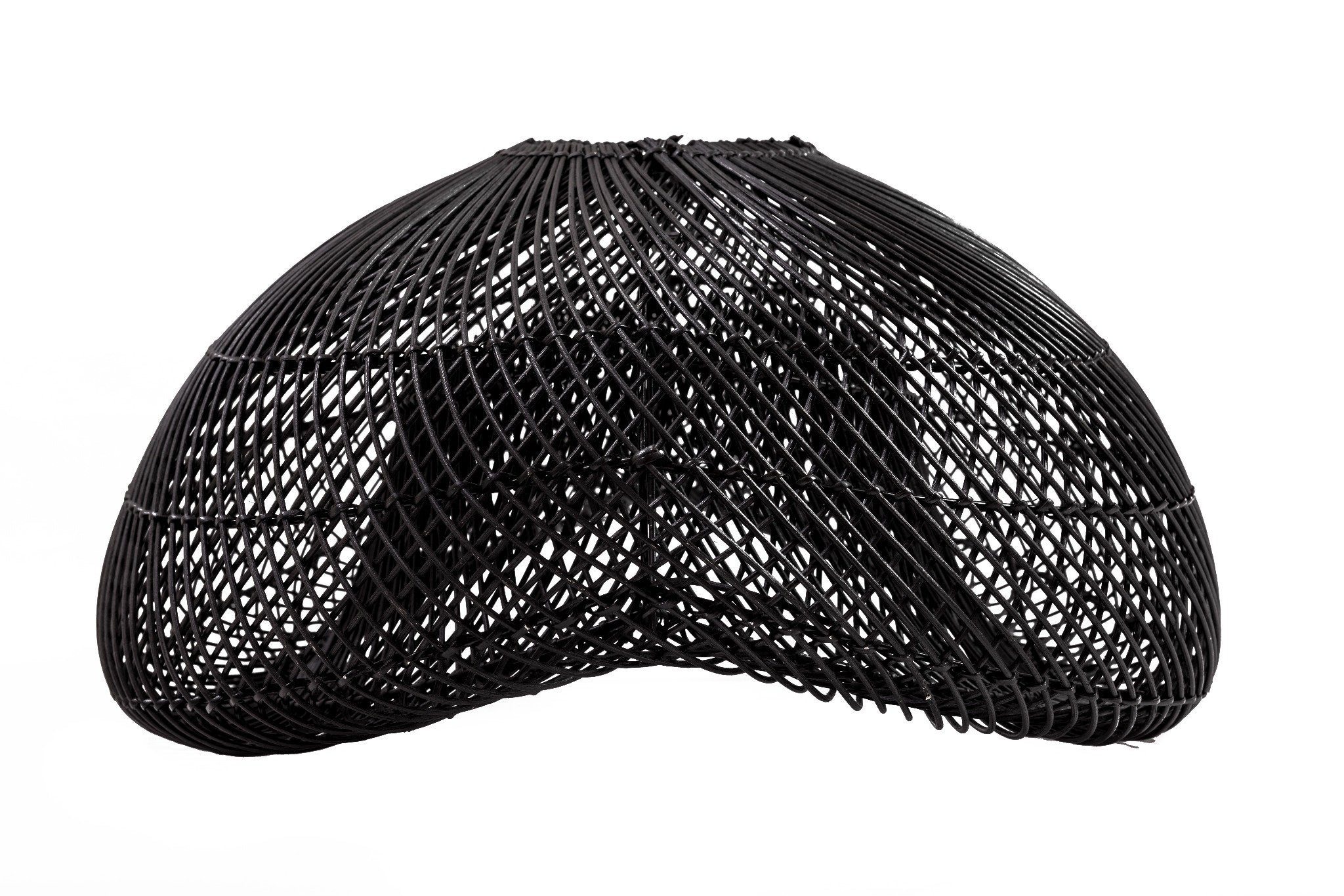
• Rattan lampshades, fabric, or natural materials for soft light
• Small light sources that zone the room instead of illuminating it entirely
• Subtle black accents as a contrast to light surfaces
Conclusion – Following the Motto Scandinavian Living
The Scandi style is not a trend that comes and goes, but a way of living that has proven itself over decades. What once originated in the design studios of Copenhagen and Stockholm is now popular worldwide because it adapts without losing its character, and because it shows that good living is not a question of budget, but of attitude.
The beauty of it is that it doesn't need a perfect starting point. Anyone who starts choosing more consciously, a blanket here, a plant there, automatically begins to live in a way that feels calmer and more harmonious. Scandi is not a look you buy, but an idea you adopt. Whether it's the living room, bedroom, or hallway, every room can carry a small piece of this attitude. And that's exactly what makes the difference and creates a home that not only looks beautiful but also genuinely makes you feel good.