

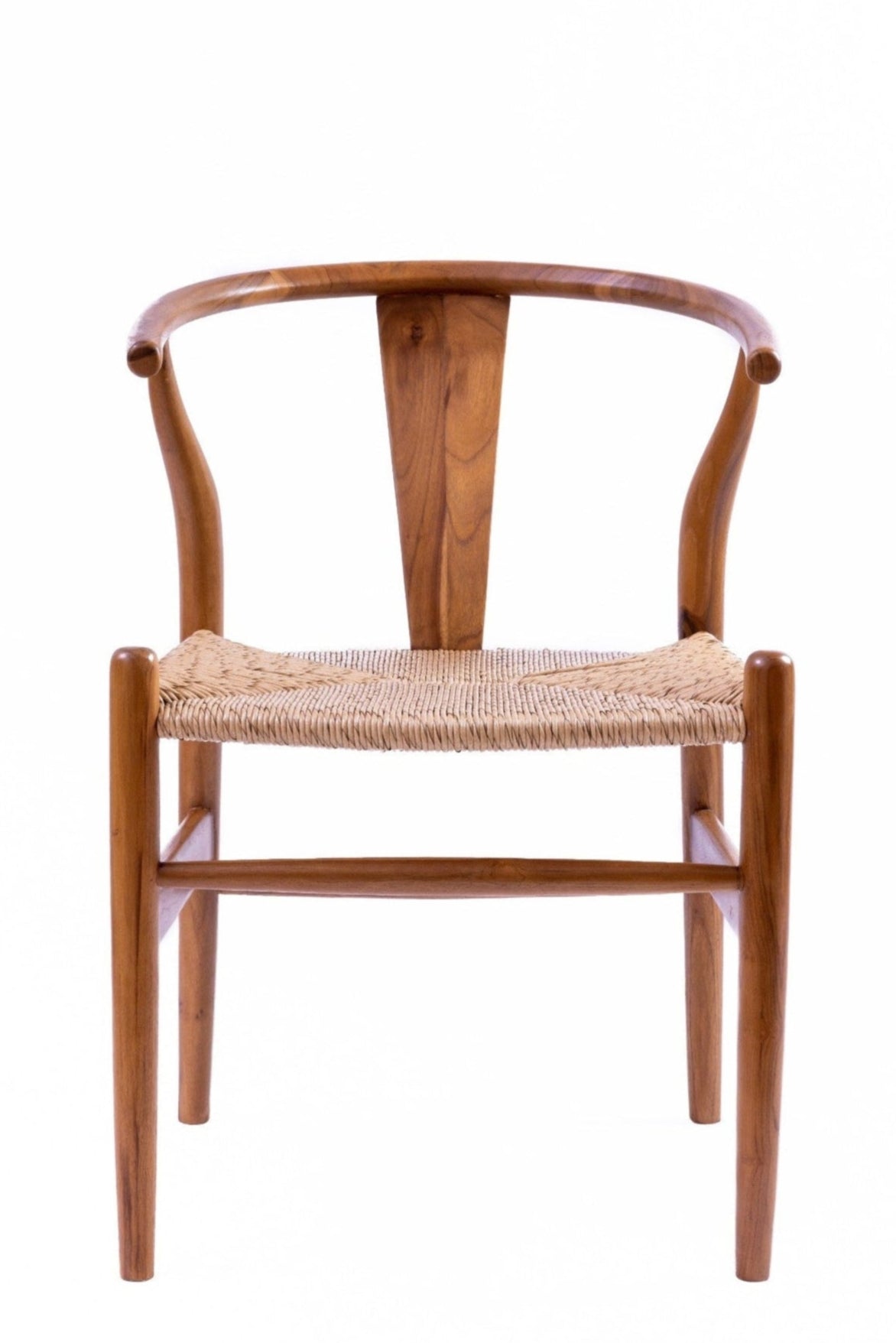


Caring for Teak Furniture – The Complete Guide
Teak is one of the most beautiful and durable materials you can choose for your home. Its warm golden hue, natural grain, and exceptional resistance make it an absolute favorite – not only for us but also for all those who value genuine quality. But for your teak furniture to look as good as new years down the line, it needs a little love and the right care.
In this guide, we'll show you how to protect your pieces, what to consider for daily cleaning, and how to ensure the wood retains its character with simple methods. We promise: it's easier than you think.

What makes teak so special?
Teak (Tectona grandis) originates from the tropical forests of Southeast Asia, primarily Myanmar, Thailand, and Indonesia, and has been considered one of the most noble and coveted woods in the world for centuries. And for good reason: the wood naturally contains oils and silicates that make it water-repellent, insect-resistant, and fungus-resistant. This means that, unlike many other types of wood, teak doesn't necessarily need to be treated to remain durable. It comes with its own protection, a true unique selling point among solid woods.
What many don't know: teak changes color over time, and that's perfectly normal. Freshly sawn teak has a rich, golden-brown tone that sometimes appears slightly oily and seems to glow in the light. If the wood is left untreated outdoors, it develops a silvery-gray patina within a few months. This process is not a loss of quality – on the contrary. The patina is created by UV exposure and is a natural protective mechanism of the wood. You decide which look you prefer: the warm golden tone you get from regular oiling, or the natural silver-gray that gives the furniture a timeless, Nordic character.
The advantages at a glance
• Naturally oily – inherently water and weather resistant
• Very hard and dense – resistant to scratches and pressure
• Durable – with proper care, teak lasts for decades
• Can be used indoors and outdoors
• Develops a beautiful, silvery patina over time
How to clean teak properly
First, the good news: teak is extremely easy to care for. You don't need special chemicals, expensive accessories, or hours of effort. In most cases, a damp cloth and a little patience are enough to make the piece shine like new again. What's important is what you shouldn't do: aggressive cleaning agents, bleach, or abrasive sponges have no place on teak. They attack the surface, wash out the natural oils from the wood, and can damage the structure in the long term. With the right tools, cleaning is a matter of minutes.
Basic daily cleaning
For daily care, a slightly damp cloth or a soft microfiber cloth is sufficient. Simply wipe away dust and dirt, and your piece will shine again. Important: Avoid aggressive cleaning agents, bleach, or abrasive sponges, as they can attack the wood surface and wash out its natural oils.
• Damp cloth or soft brush
• For stubborn dirt: dilute mild dish soap in water
• Always wipe in the direction of the grain
• Let dry thoroughly after cleaning
Deep cleaning – once a year
Once a year, we recommend a more thorough cleaning, especially if your furniture is outdoors and has been exposed to wind, rain, and sunlight. There are special teak cleaner concentrates available in any well-stocked hardware store or online. These products are specifically tailored to the needs of the wood and reliably remove dirt, green algae, and discoloration without affecting the natural structure.
Application is very simple: mix the solution according to the instructions, apply it to the surface with a soft brush, let it soak in briefly, and then rinse thoroughly with clear water. The crucial step afterward is drying – completely. Give the wood at least 24 to 48 hours before further treatment, oiling, or waxing. Wet wood does not absorb oil properly, and the result would be accordingly disappointing.
💡 Tip: It's best to clean outdoor teak furniture in spring – this way it's well prepared for the garden season.
Oiling or not oiling? The big question
Hardly any question is asked as frequently as this, and we understand why. The answer is actually quite simple: it depends on what you want. Teak doesn't need oil to stay healthy. But oil can help to maintain and intensify the original golden-brown tone if that's important to you. If, on the other hand, you appreciate the natural aging process and prefer the silver-gray patina finish, you don't have to do anything except occasional cleaning.
If you want to maintain the golden-brown tone: oil
If you want to preserve the warm, rich color of your teak, regular oiling is the right choice. Use a high-quality teak oil or a furniture oil specially developed for tropical hardwoods – general-purpose oils from the hardware store are less suitable, as they can clog the fine pores of the wood and do more harm than good in the long run. The best way to apply the oil is with a clean brush or cloth, let it soak in for 15 to 30 minutes, and then carefully wipe off the excess. For outdoor furniture, we recommend two to three times a year; for indoor furniture, one treatment annually is completely sufficient.
If you like the silver-gray patina: do nothing
If you like the characterful, naturally aged look, you literally don't have to do anything. The patina forms by itself, is absolutely harmless, and even protects the wood naturally. You only need to make sure that no deep cracks form that allow moisture to penetrate the wood permanently; that would be the only warning sign where you should take action. Otherwise: silver-gray teak is not a problem, but a statement.
Waxing as an alternative
A third option, which works particularly well for indoor furniture, is waxing. Furniture wax forms a light protective layer on the surface of the wood without penetrating deeply. It protects against everyday stains, moisture, and minor scratches and gives the wood a subtle, natural sheen. Waxing is less labor-intensive than oiling and also needs to be repeated less often – ideal if you want to care for your furniture without investing too much time.
💡 Tip: Always use products specifically developed for teak or tropical hardwoods. General-purpose oils can clog the pores.

Teak outdoors – what you should consider
Teak is ideal for use in outdoor furniture. Nevertheless, there are a few things you should keep in mind to ensure your furniture truly stays beautiful for years.
Sun protection
Intense, continuous sun exposure accelerates the graying of the wood. If you like that, it's no problem at all, as the patina is stable and protective. If you prefer the original golden-brown tone, we recommend placing your furniture in a semi-shaded spot or oiling it regularly to maintain the color. Both are perfectly valid choices; it just depends on what is visually important to you.
Moisture & Winter
Teak tolerates rain amazingly well, but there's one thing you should avoid: standing water that remains permanently on the surface. After heavy rainfall, slightly tilt your furniture so the water can drain, and ensure that no flowerpots or other objects are permanently on the wood, as moisture can accumulate underneath, leading to green algae or stains. In winter: covering or storing your teak furniture significantly extends its lifespan. We recommend breathable protective covers that allow moisture to escape but keep out dirt and wetness. Airtight plastic sheets, on the other hand, are not a good idea, as they trap moisture and promote mold growth.
Stains & Green Algae
Green algae forms when moisture and organic material, such as leaves or algae, remain on the wood surface for extended periods, especially in shady or poorly ventilated areas. It looks unsightly but is not a sign that the wood is damaged. It can be easily removed with a mild cleaner and a soft brush. For more stubborn discoloration, a solution of water and a few drops of household vinegar helps – let it sit briefly, brush, rinse, done.

Caring for indoor teak – less is more
For indoor teak furniture, the general rule is: you have to do significantly less than with outdoor furniture. The wood is protected from weather influences, UV radiation, and strong temperature fluctuations – the biggest enemies of wood stay outside. Nevertheless, it's worth noting a few small things in everyday life to ensure your furniture remains beautiful for a long time and no unnecessary marks appear.
Always use coasters for hot pots, cups, or glasses, because even though teak is very robust, heat and condensation moisture can leave rings or discoloration over time. It's best to wipe up liquids immediately instead of letting them sit. Use felt pads under vases, decorations, and anything that regularly sits on or is moved across the wood – this prevents scratches. And for regular cleaning, the same applies here: a slightly damp cloth, once a week, is completely sufficient.
The most beautiful thing about indoor teak furniture is what happens over time. The wood develops an even deeper, warmer radiance over the years. The grain becomes more visible, the color richer. A good piece of teak doesn't get older – it gets better. And that's exactly why we at EVASI are so convinced by this material.
Your care checklist at a glance
You now know what's important, here's everything at a glance. Because good care doesn't have to be complicated. With these simple routines, your teak will stay beautiful for years.
Weekly
• Remove dust and dirt with a damp cloth
• Blot liquids immediately
Seasonally (2–3 times a year, outdoor furniture)
• Thorough cleaning with teak cleaner
• Apply teak oil (if golden-brown tone desired)
• Check for cracks or damage
Annually (indoor furniture)
• Treat with furniture oil or wax
• Check surfaces for scratches and lightly sand if necessary
In winter (outdoor furniture)
• Cover or store
• Use a breathable protective cover

