



Boho Living Room – Furniture, Ideas & Tips for the Look
There are living rooms that immediately convey a certain feeling as soon as you enter the room. That's exactly what a Boho style living room does. Natural materials, warm colors, and soft textiles ensure that the room feels relaxed, stylish, and at the same time homely. Nothing appears too perfect or too rigid; instead, the decor creates character and a pleasant lightness.
Particularly typical of the Boho style is the combination of wood, rattan, linen, and soft color tones, which give the living room warmth and structure. The look doesn't rely on individual pieces of furniture, but on the interplay of various materials, shapes, and details. This very mixture makes Boho living rooms so popular and versatile at the same time. We explain everything that truly belongs to it in this article.

What defines the Bohemian style?
The Bohemian style, or Boho for short, thrives on an interior design that intentionally appears relaxed, creative, and individual. Unlike many other interior styles, Boho doesn't follow rigid rules or perfect concepts. Instead, the look is created through the combination of different materials, shapes, and influences that together form a cohesive overall picture. Typical features include natural surfaces, handcrafted-looking furniture, and an atmosphere that doesn't look completely planned out. This is precisely what defines the character of this style. Rooms are allowed to appear vibrant, different textures can be combined, and individual pieces of furniture can deliberately stand out. This often results in a mix of natural materials, modern elements, and decorative details that feels organic and personal, without ever appearing forced.
The 5 most important characteristics of a Boho living room
The Boho style in the living room therefore doesn't rely on individual pieces of furniture, but on the interplay of various materials, colors, and textures. However, certain elements appear in almost every Boho living room and thus form the basis for the entire look:
Natural materials as a foundation
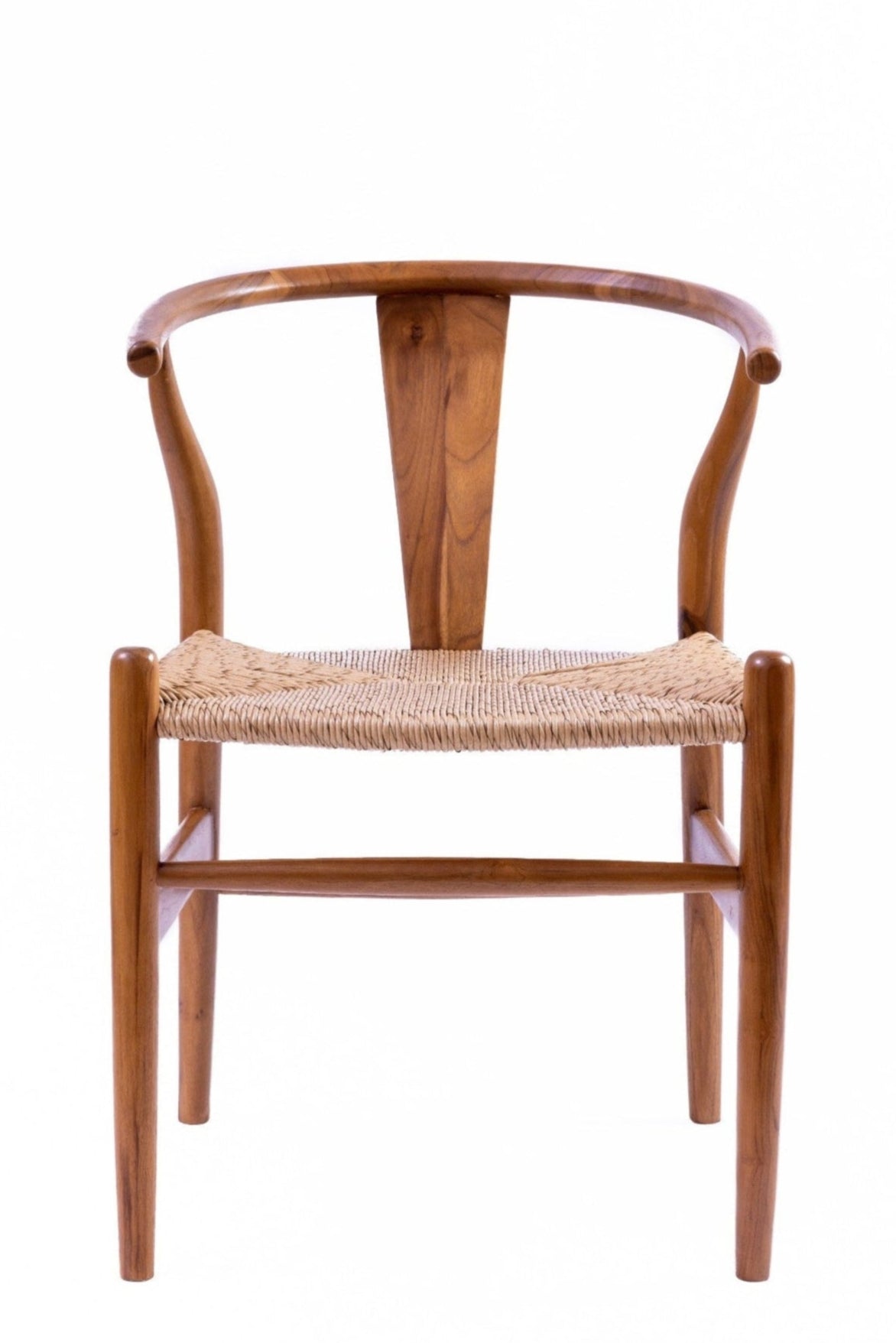
Wood, rattan, linen, cotton, or even ceramics ensure that the room feels warm and inviting. The combination of different surfaces is particularly beautiful, such as a wooden coffee table with woven details or linen fabrics combined with coarse natural fibers. Such mixtures give the room structure and liveliness without making it appear cluttered.
Warm and earthy colors
The color palette in a Boho living room remains natural and understated. Warm beige, sand, and cream tones form the base, complemented by terracotta, olive green, or subtle brown nuances. Instead of strong contrasts, this creates soft transitions between furniture, textiles, and decoration, giving the room a calm, harmonious basic atmosphere.
Layering and different textures
Layering, the deliberate combination of different fabrics, patterns, and surfaces, is one of the most distinctive features of the Boho style. Cushions, rugs, blankets, and curtains are combined to create not only depth but also coziness. The key is not the quantity, but that the individual elements are coordinated in color and material, so that the room appears vibrant but not restless.
Plants as part of the decor
Plants in a Boho living room are part of the decor, not just decoration, but a natural component of the room. Large houseplants like Monstera or fig trees create strong accents, hanging plants add height and movement to the room, and dried flowers in simple vases gently blend into the overall picture. Together, they enhance the natural character of the Boho style and lighten up the decor in a way that no other element can replace.
Warm light for the right atmosphere
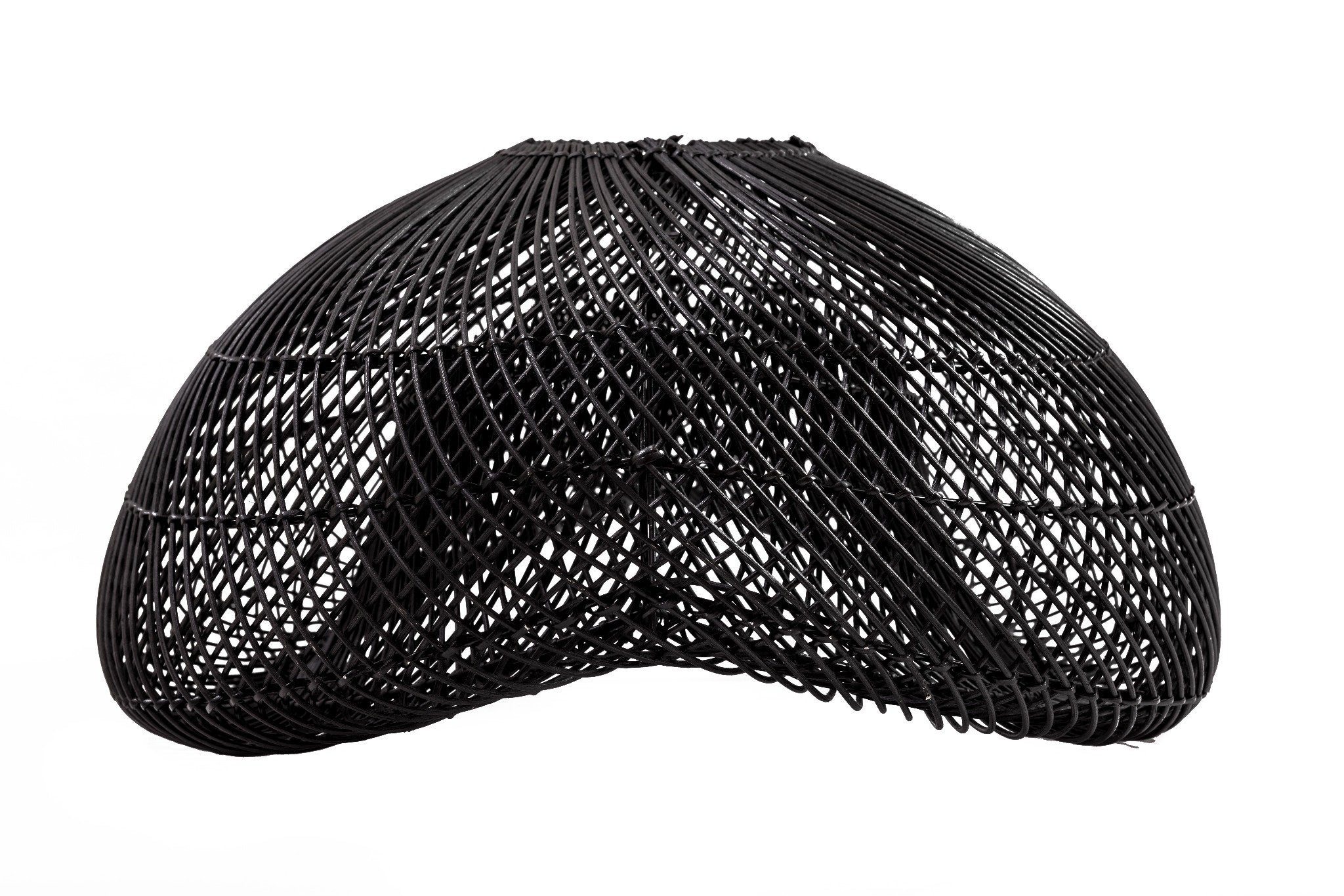
Light influences the effect of a Boho living room more than many other factors. Instead of bright, cool lighting, the style relies on multiple warm light sources that illuminate the room softly and evenly. Lamps made of rattan, raffia, or fabric diffuse the light pleasantly and enhance the cozy character of the room. Additionally, candles or small table lamps provide extra warmth and the typical Boho atmosphere that you feel as soon as you enter the room.
Which Boho type are you?
Boho is not a rigidly defined style, but develops quite differently depending on taste and combination. Some interpretations appear very calm and minimalist, others a bit more decorative or contrasting. This is precisely why it is worth distinguishing between the various expressions. This way, you can more quickly discover which direction truly suits your living room.
Boho Natural
Boho Natural is the calmest and most natural expression of the style. Light colors, plenty of wood, and understated materials are paramount. The look appears light, harmonious, and very clear, without decorative distractions. A typical Boho Natural living room, for example, features a light linen sofa, a light oak coffee table, and a few strategically placed plants that enliven the room without filling it.
• You prefer bright, calm rooms with lots of wood and natural materials.
• You like a minimalist interior without many decorative elements.
• A clear, natural look is more important to you than striking details.
Boho Chic
Boho Chic combines natural materials with more elegant and decorative elements. This creates a slightly more refined look that remains cozy but intentionally adds special accents. Typical examples include a velvet cushion in warm terracotta next to a rattan armchair, a distinctive brass pendant lamp, or a matte ceramic vase that stands as a single statement in the room.
• You enjoy combining natural materials with more elegant accents.
• Small highlights like special lamps or high-quality textiles appeal to you.
• Your living room can be cozy, but also have a touch of elegance.
Modern Boho
Modern Boho combines clean, modern forms with natural materials. The style appears tidy and structured, but gets a warm, cozy touch from wood, rattan, or textiles. A modern sofa with clean lines, a natural fiber rug, and a single plant in a simple pot show how little it takes to achieve this look.
• You like clear, modern forms with a minimalist design.
• A tidy look is important to you, but without making the room feel cold.
• For you, wood, rattan, or textiles create deliberate warm accents.
Urban Boho
Urban Boho combines natural materials with modern or slightly industrial elements. This creates a contrasting, urban look that works particularly well in city apartments. Dark metal details next to light wood, a black picture frame on a white wall, or a rug with a graphic pattern next to soft linen cushions show how this style creates tension without appearing restless.
• You enjoy combining natural materials with modern contrasts.
• Dark or black elements are naturally part of your style.
• Your living room can have character and a bolder appeal.
Ethno Boho
Ethno Boho is the most expressive variation, thriving on patterns, textiles, and handcrafted details with cultural influences. A patterned Kilim rug, handmade ceramics, a macrame wall hanging, or cushions with ethnic embroidery are typical elements that give this style its unmistakable character. The room feels vibrant and individual because each piece tells a story.
• You love patterns, textiles, and furniture with history.
• Your style is vibrant, individual, and can be a bit more playful.
• You enjoy combining different cultural influences.
No matter which Boho type you are, the following living room ideas can be applied to all variations. They show how you can gradually implement your personal style in the living room.

How to bring your Boho style into the living room
Once your personal Boho style is defined, it's time to implement it in the room. The crucial factor is less the selection of individual pieces of furniture, but rather how large elements, materials, and heights are distributed throughout the space. Especially in the living room, Boho works particularly well through clear basic pieces that are then strategically complemented.
Sofa – Color and shape decision as a starting point
The sofa determines the basic character of the entire living room and is therefore the most sensible starting point. For a Boho room, models in natural tones like beige, sand, or off-white are particularly suitable. Dark colors can also work, but require light textiles and a lot of texture as a balance to prevent the room from feeling too heavy. In terms of shape, sofas with a low, relaxed seating height and slightly rounded or organic contours fit the style particularly well. Fabric covers made of linen or cotton blends emphasize the natural character and feel cozy at the same time. For cushions, two to five pieces often look more harmonious than many at once, and different textures like chunky knit combined with smooth linen work better than patterned variations.
Coffee table and side furniture – clear material guidance
In a Boho living room, one main material should run throughout the entire space, and that is usually wood. Coffee tables with visible grain or a handcrafted surface appear significantly more harmonious here than high-gloss or heavily design-oriented variants. The combination of a solid wood coffee table and a rattan side table works particularly well, complemented by softer elements like a fabric pouf or ceramic decorative objects. The important thing here is repetition rather than variety. A material should appear at least two to three times in the room, otherwise it will look randomly assembled rather than intentionally chosen.
Rugs – zone creation instead of pure decoration
Rugs play a clear functional role in a Boho living room, as they define areas in the room. A large rug under the sofa and coffee table is often sufficient to visually unify the seating area and give the living room a calm center. Particularly typical are jute rugs for a natural, textured base, Berber-inspired rugs with subtle patterns, or vintage rugs that add more depth and character to the room. In larger living rooms, a second, smaller rug under a reading armchair or next to a sideboard can create an additional zone and simultaneously divide the room in a cozier way.
Lighting – multiple layers instead of one main source
A boho living room rarely works with just one ceiling light. Instead, the typical atmosphere is created by light at multiple levels. The basic light ideally comes from a boho ceiling lamp with warm white light, the zone light from a floor or table lamp next to the sofa or an armchair, and small accent light sources such as candles or subtle LED lights complete the look. Materials like rattan or fabric for lampshades ensure that light is diffused softly into the room without creating harsh shadows. It is precisely this combination of warmth and softness that makes the difference between a living room that looks nice and one where you immediately feel comfortable.
Decoration – targeted accents instead of uniform arrangement
Decoration in a boho living room works best in small, deliberately placed groups rather than many individual objects evenly distributed throughout the room. On a sideboard, one to three vases of different heights look more harmonious than a multitude of small elements. A boho mirror with an organic shape above a console or sofa adds depth to the room and simultaneously reflects light. On the coffee table, a combination of a book and a single ceramic object is often enough to make the area appear calm yet lively. Plants should not be evenly distributed but strategically placed to mark areas, for example, a large plant next to the sofa or a hanging plant in a corner of the room. This way, the typical boho character is created not by quantity, but by attitude.
Common mistakes with boho living rooms
The boho style appears very free and uncomplicated at first glance, but this often leads to uncertainty in its implementation. Many rooms may have the right elements, but in the end, they don't look harmonious. The reason usually isn't individual pieces of furniture, but how they work together in the room. Often, uneasiness arises from too many different materials, an overloaded decoration, or unsuitable light sources. The decisive factor is less the quantity of design elements and more a clear basic direction that runs through the entire room.
The most common mistakes at a glance:
• Too many different materials without a recognizable main material
• Overloaded surfaces due to too many decorative elements and accessories
• No clear color palette, but too many different color tones
• Cold white or too direct light instead of warm, layered lighting
• Inconsistent proportions between furniture, rugs, and room size
💡 Tip: If you're unsure whether your room appears too cluttered, you can try a simple test. Just take a photo of your living room and convert it to black and white. If the image looks restless, it's almost always due to too many contrasts or too many equally prominent elements competing for attention.
Conclusion: Consciously apply boho in the living room
A boho living room is not created by a single decision, but by many small, consciously placed elements. Materials, colors, and furniture do not have to be perfectly matched, but should be chosen to create a harmonious overall picture. The style is most effective when a clear basic direction is recognizable and runs through the entire room, from furniture to textiles to lighting. This creates a living room that does not look staged, but appears naturally grown and profoundly individual. This is precisely where the special appeal of the boho style lies. It offers a lot of leeway but still requires a clear line in the background. Those who find this balance create a living room that not only looks good but also feels right in the long term.

